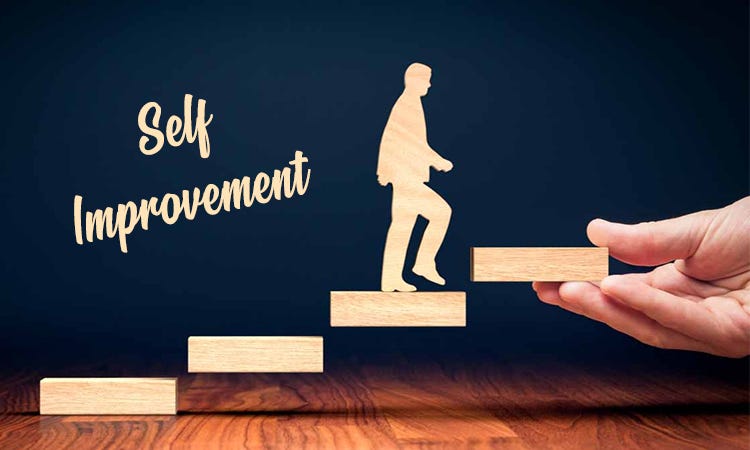
Self-improvement is a lifelong journey that involves continuous effort to enhance one’s skills, mindset, and overall well-being. Whether it’s working on your personal or professional development, the process of improving yourself leads to greater happiness, success, and fulfillment. In today’s fast-paced world, where challenges and uncertainties are a part of everyday life, self-improvement becomes crucial for adapting to changes and overcoming obstacles.
This article will guide you through the importance of self-improvement, practical tips to start your journey, and how embracing personal growth can significantly improve every aspect of your life.
Why Self-Improvement Matters
Unlock Your Full Potential
The primary reason people pursue self-improvement is to unlock their full potential. Each person has unique talents and abilities, but without focusing on self-growth, they may remain untapped. Self-improvement allows you to discover your strengths and weaknesses and work toward becoming the best version of yourself. Whether you’re striving for personal happiness, career success, or overall life satisfaction, self-improvement helps you break through barriers and achieve your goals.
Boost Confidence and Self-Esteem
One of the most significant benefits of self-improvement is an increase in self-confidence. As you work on your personal growth, you gain a sense of accomplishment and satisfaction. This enhances your belief in your abilities, which, in turn, increases your self-esteem. Higher self-esteem makes you more resilient in the face of challenges, enabling you to take on new ventures and projects with confidence.
Achieve Greater Success
Success doesn’t happen by chance. It results from hard work, focus, and continual self-improvement. Whether it’s advancing in your career, building meaningful relationships, or improving your physical health, self-improvement plays a critical role in achieving these milestones. When you dedicate time and effort to improving yourself, you increase your chances of success in every area of your life.
Cultivate Emotional Intelligence
Another aspect of self-improvement is improving your emotional intelligence (EQ). Emotional intelligence refers to the ability to manage your own emotions, understand the emotions of others, and use this awareness to improve relationships and decision-making. By enhancing your EQ through self-improvement, you can develop better communication skills, empathy, and conflict-resolution abilities. This helps foster stronger relationships, both personally and professionally.

How to Start Your Self-Improvement Journey
1. Set Clear Goals for Self-Improvement
To begin your self-improvement journey, it’s essential to set clear and actionable goals. This helps you stay focused and motivated throughout the process. Ask yourself: What areas of your life do you want to improve? Is it your career, health, relationships, or personal growth? By setting SMART goals (Specific, Measurable, Achievable, Relevant, and Time-bound), you can track your progress and stay on course.
For example, instead of a vague goal like “improve my fitness,” set a specific goal such as “exercise for 30 minutes, five times a week, for the next three months.” This helps you stay committed and makes it easier to measure progress.
2. Embrace a Growth Mindset
A growth mindset is the belief that your abilities and intelligence can be developed through dedication and hard work. Embracing this mindset is crucial for self-improvement because it encourages resilience and the willingness to learn from failure. People with a fixed mindset often see challenges as obstacles, whereas those with a growth mindset view challenges as opportunities to learn and grow.
To adopt a growth mindset, focus on the process of improvement rather than the outcome. Celebrate small wins along the way and be patient with yourself as you develop new skills and habits.
3. Develop Healthy Habits
Self-improvement is not just about learning new skills but also about cultivating habits that support your goals. Habits shape our daily lives, and by developing positive routines, you can create an environment that fosters growth. Here are a few habits to incorporate into your routine for effective self-improvement:
- Time Management: Prioritize tasks, break them down into smaller steps, and use tools like calendars or task managers to stay organized.
- Daily Reflection: Set aside time each day for self-reflection. Think about your accomplishments, areas for improvement, and what you can do differently tomorrow.
- Exercise: Physical health plays a crucial role in mental well-being. Regular exercise boosts your energy, focus, and overall productivity.
- Reading: Expand your knowledge by reading books on personal development, business, psychology, or other subjects that align with your growth objectives.
4. Learn Continuously
Continuous learning is key to self-improvement. It’s important to stay curious and open to acquiring new knowledge. Whether you’re learning new technical skills, improving your emotional intelligence, or expanding your general knowledge, the pursuit of learning helps you grow personally and professionally.
You can take advantage of online learning platforms like:
- Coursera: Offers courses from top universities on a wide range of topics.
- Udemy: A marketplace for affordable courses on a variety of subjects.
- LinkedIn Learning: Provides professional development courses in leadership, communication, and more.
By committing to lifelong learning, you’ll stay ahead in your field and enhance your ability to adapt to new challenges.
5. Surround Yourself with Positive Influences
Your environment plays a significant role in your self-improvement journey. Surrounding yourself with positive, motivated, and supportive individuals can help you stay motivated and focused on your goals. Seek mentors, join support groups, or engage in communities that share similar interests and growth objectives. The people you interact with can provide valuable feedback, encouragement, and inspiration.
Also Read: Growth Mindset: How to Unlock Your Full Potential

Overcoming Challenges in the Self-Improvement Journey
Dealing with Setbacks
The path to self-improvement is rarely linear. You may face setbacks and obstacles along the way. It’s essential to accept that challenges are part of the process and not to view them as failures. Instead, treat them as learning experiences that help you build resilience and adapt your approach.
Tip: When faced with setbacks, reflect on what went wrong, make adjustments to your approach, and keep moving forward. Remember, progress is made through persistence.
Staying Consistent
Consistency is one of the biggest challenges people face when it comes to self-improvement. It can be easy to lose motivation, especially when results don’t come immediately. To stay consistent, break your larger goals into smaller, more manageable tasks and celebrate small victories along the way. By committing to daily progress, no matter how small, you’ll build momentum and move closer to achieving your goals.
Tip: Create a habit tracker or journal to help monitor your daily progress. Seeing your achievements will keep you motivated and on track.
Conclusion: The Path to True Self-Improvement
In conclusion, self-improvement is a continuous, rewarding journey that involves setting clear goals, embracing a growth mindset, developing healthy habits, learning new skills, and surrounding yourself with positive influences. It requires commitment, patience, and persistence, but the rewards are significant: greater confidence, success, and fulfillment in both your personal and professional life.
Remember, self-improvement is not a destination—it’s a journey. Focus on small, consistent efforts each day, and over time, you will see immense growth. Start your journey today and commit to becoming the best version of yourself.
1 thought on “Self-Improvement: A Journey to Personal Growth and Success”