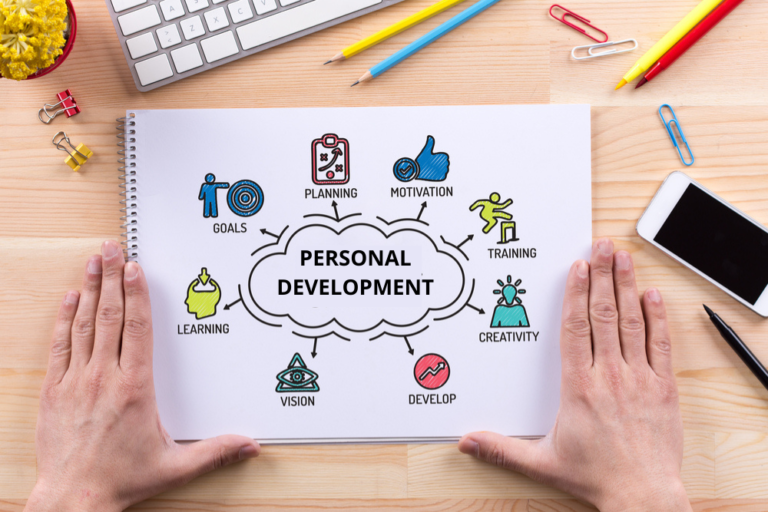
Personal development is the process of enhancing your skills, knowledge, and capabilities to reach your highest potential. It’s about self-awareness, improving your mindset, and making conscious efforts to improve different aspects of your life, including your career, relationships, and overall well-being. In today’s fast-paced world, personal development is crucial for achieving success, happiness, and fulfillment.
In this article, we’ll explore the importance of personal development, actionable steps to begin your journey, and how investing in yourself can lead to lifelong benefits.
Why is Personal Development Important?
Achieving Greater Success
When you focus on personal development, you create the foundation for achieving long-term success. Whether it’s in your career, personal relationships, or financial growth, improving yourself empowers you to tackle challenges and overcome obstacles more effectively. Through the constant process of learning, adapting, and refining your skills, you increase your chances of success.
Building Confidence and Self-Worth
One of the most rewarding outcomes of personal development is an increase in confidence. As you work on improving your skills and knowledge, you start to feel more competent and capable. This, in turn, boosts your self-esteem and helps you tackle new opportunities with a positive attitude. Higher confidence can lead to better career prospects, healthier relationships, and greater self-acceptance.
Fostering Emotional Intelligence
Personal development also includes improving emotional intelligence (EQ), which plays a pivotal role in navigating life’s challenges. Developing emotional intelligence helps you manage your emotions better, build stronger relationships, and deal with stress effectively. By enhancing your EQ, you learn to empathize with others, making you a more effective communicator and leader.
Cultivating Resilience
Life often throws unexpected challenges your way. Developing personal development skills equips you with the resilience needed to handle setbacks and disappointments. A strong sense of resilience helps you bounce back from failure, adapt to change, and maintain a positive outlook on life, even when things don’t go as planned.

How to Start Your Personal Development Journey
1. Set Clear, Achievable Goals
Setting clear, actionable goals is one of the first steps in personal development. Goals give you direction and purpose, motivating you to keep pushing forward. Break down large goals into smaller, manageable tasks to avoid feeling overwhelmed.
For instance, instead of just saying “I want to be healthier,” set specific goals like “I will exercise for 30 minutes a day” or “I will start meal planning every Sunday.” Clear goals provide structure and allow you to track your progress effectively.
2. Develop a Growth Mindset
A growth mindset is the belief that you can improve and develop your abilities through effort and learning. Cultivating this mindset is essential for personal development because it encourages you to see challenges as opportunities for growth rather than obstacles. Embrace failures as lessons and focus on what you can learn from every experience.
To develop a growth mindset, try reframing negative thoughts and view mistakes as stepping stones to success. With this mindset, you’ll approach personal development with determination and perseverance.
3. Invest in Lifelong Learning
Personal development involves continuous learning. Never stop expanding your knowledge and skills. Take courses, read books, attend workshops, and stay curious about the world around you. Learning not only increases your expertise but also broadens your perspective, enabling you to grow as an individual.
You can start by reading self-improvement books, taking online courses on platforms like Udemy or Coursera, or watching educational videos on YouTube.
4. Build Healthy Habits
Successful personal development starts with cultivating positive habits. The habits you form on a daily basis will have a profound impact on your progress. Some habits that support personal growth include:
- Time management: Organize your schedule, prioritize tasks, and stick to deadlines.
- Exercise: Regular physical activity improves your mental and physical well-being.
- Mindfulness: Practice mindfulness to improve focus, reduce stress, and increase self-awareness.
- Journaling: Reflect on your thoughts, track your progress, and set intentions for the future.
By incorporating these habits into your routine, you lay the groundwork for ongoing personal growth.
5. Focus on Emotional Wellness
Personal development also includes emotional growth. It’s important to be in tune with your emotions and work on improving your emotional wellness. This includes managing stress, expressing your feelings, and seeking support when needed. Emotional wellness enables you to handle life’s challenges with grace and resilience.
Take time to practice self-care, whether it’s through meditation, spending time with loved ones, or pursuing hobbies that bring you joy. Take care of your mental health as much as you care for your physical health.
6. Seek Feedback and Mentorship
Feedback is an essential part of personal development. By seeking feedback from others, you can gain valuable insights into areas of improvement. Don’t be afraid to ask for constructive criticism from colleagues, friends, or mentors. Feedback can help you identify blind spots and guide you toward further growth.
Mentorship is also an excellent tool for personal development. A mentor can provide valuable advice, share their experiences, and offer guidance in navigating challenges. Find someone who inspires you and has experience in areas you want to grow in, and learn from their expertise.
Also Read: Self-Improvement: A Journey to Personal Growth and Success
Overcoming Challenges in Personal Development
Staying Consistent
One of the biggest hurdles in personal development is staying consistent. It’s easy to get discouraged when you don’t see immediate results. However, it’s important to remember that personal growth takes time. Stay committed to your goals, even if progress feels slow. Consistency is key to seeing long-term change.
Dealing with Setbacks
There will be times when setbacks occur on your journey of personal development. Whether it’s a failure at work, a personal loss, or unexpected challenges, setbacks are a natural part of life. What matters is how you respond to these challenges. Learn from the experience, adjust your approach, and keep moving forward.
Avoiding Negative Influences
Surround yourself with people who encourage and support your personal growth. Avoid negative influences that may hinder your progress or bring you down. Stay focused on your goals and avoid getting distracted by negativity.
Conclusion: A Lifelong Commitment to Personal Development
Personal development is a journey that requires commitment, patience, and continuous effort. The more you invest in yourself, the more you unlock your potential and open doors to greater success and fulfillment. By setting clear goals, embracing a growth mindset, and continuously learning, you’ll improve both personally and professionally.
Remember, personal development is not a destination, but a lifelong process of growth. Stay dedicated, stay focused, and enjoy the rewards that come from becoming the best version of yourself.
1 thought on “Personal Development: The Key to Unlocking Your Full Potential”