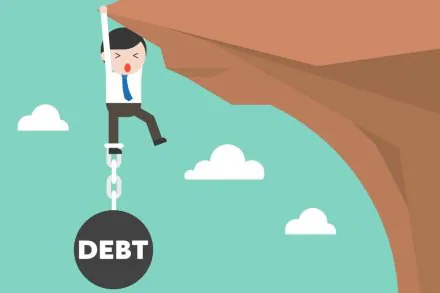
In today’s fast-paced world, living without debt is often considered a dream for many. Yet, it is an achievable goal that can transform your financial future. Debt can feel like a heavy burden, holding you back from achieving your dreams and goals. Whether it’s credit card debt, student loans, or personal loans, getting rid of debt can be a liberating experience that gives you peace of mind and financial freedom. This article will guide you on how to achieve a debt-free lifestyle and help you understand the importance of living without debt.
What Does Living Without Debt Mean?
Before diving into the strategies for living without debt, it’s important to first define what it means. Living without debt refers to a state where you no longer owe money to any creditors. This means you have cleared all your outstanding balances, whether they are from credit cards, loans, or mortgages. It doesn’t mean avoiding using credit altogether; rather, it means that you manage your finances in such a way that you don’t carry any outstanding debts, and you live within your means. The journey to living without debt requires discipline, planning, and a strategic approach to your finances.
The Impact of Debt on Your Life
Having debt can affect many areas of your life, including your mental health, relationships, and even your ability to save for the future. When you’re weighed down by debt, it’s hard to focus on other important financial goals such as saving for retirement, purchasing a home, or investing in your future. Living without debt brings numerous benefits, including:
- Reduced Stress: Debt can be a significant source of stress. The pressure of having to make monthly payments and worrying about interest rates can make it difficult to enjoy life. Living without debt allows you to experience financial freedom and a greater sense of peace.
- Increased Savings: When you no longer have debt payments draining your resources, you can direct that money towards saving and investing for your future.
- Improved Credit Score: Living without debt improves your credit score since you’re less likely to miss payments or overextend your credit. This can be especially helpful when applying for future loans or mortgages.
- More Opportunities: With no debt holding you back, you have the flexibility to pursue opportunities such as starting a business, traveling, or pursuing higher education without worrying about financial constraints.

How to Live Without Debt: A Practical Approach
Achieving a debt-free lifestyle doesn’t happen overnight, but with the right steps, it’s entirely possible. Here are some actionable strategies to help you on your path to living without debt:
1. Create a Detailed Budget
The first step in achieving living without debt is creating a comprehensive budget. A well-thought-out budget will give you control over your finances and help you track your income and expenses. By knowing exactly where your money is going, you can identify areas where you can cut back and redirect funds towards paying off debt.
Here’s how to create a budget that supports your debt-free goals:
- List all sources of income: Include your salary, side hustles, or any other sources of income.
- Track your expenses: Write down all your monthly expenses, including rent, utilities, groceries, insurance, and entertainment.
- Categorize your expenses: Divide your expenses into essential and non-essential categories. This will help you identify areas where you can cut back.
- Set savings and debt repayment goals: Allocate a portion of your income towards savings and debt repayment each month.
A clear budget is essential in living without debt because it helps you stay focused on your financial goals.
2. Build an Emergency Fund
One of the best ways to prevent falling back into debt is to build an emergency fund. Life is full of unexpected expenses, such as medical bills, car repairs, or home maintenance. If you don’t have an emergency fund, you may be tempted to use credit cards or loans to cover these costs, which can quickly lead to more debt. An emergency fund acts as a financial cushion, allowing you to handle unforeseen expenses without relying on credit.
Aim to save at least three to six months’ worth of living expenses in your emergency fund. This fund will give you peace of mind and prevent you from falling into debt again.
3. Pay Off High-Interest Debt First
When it comes to paying off debt, it’s crucial to tackle the most expensive debt first. High-interest debt, such as credit card balances, can quickly spiral out of control due to high APRs. Paying off these debts first will save you money in the long run.
Here’s how to prioritize your debt repayment:
- List all your debts: Write down the outstanding balance, interest rate, and minimum payment for each debt.
- Pay off the debt with the highest interest rate first: Allocate as much money as possible towards this debt while making minimum payments on your other debts.
- Move to the next highest-interest debt: Once the first debt is paid off, move on to the next one. This is known as the debt avalanche method.
This method allows you to save money on interest and get closer to living without debt faster.
4. Cut Back on Non-Essential Expenses
If you want to achieve living without debt, it’s important to cut back on non-essential expenses. While it may not be easy, eliminating unnecessary spending is crucial in accelerating your debt repayment.
Here are some ways to reduce expenses:
- Eat out less: Cooking at home is a great way to save money and reduce your monthly expenses.
- Cancel subscriptions: Review your subscriptions, such as streaming services or gym memberships, and cancel any that you don’t use regularly.
- Buy used items: Opt for used furniture, clothes, and electronics to save money.
By cutting back on discretionary spending, you can free up more money to pay off your debt and start living without debt.
5. Avoid Accumulating More Debt
It’s easy to fall into the trap of accumulating more debt, especially if you have credit cards or loans. To prevent this from happening, it’s essential to change your spending habits.
Here are some tips to avoid accumulating debt:
- Use cash instead of credit cards: By using cash, you’ll be less likely to overspend and fall into debt.
- Set a limit on your credit card spending: If you must use credit cards, set a budget and stick to it. Pay off your balance in full every month to avoid interest charges.
- Save for big purchases: Instead of putting large expenses on credit, save up for them in advance.
By avoiding new debt, you’ll be able to stay on track with your goal of living without debt.
6. Consider Debt Consolidation
If you have multiple debts with high-interest rates, debt consolidation can be a helpful option. Debt consolidation allows you to combine your debts into one loan with a lower interest rate, making it easier to manage your debt and pay it off faster. While debt consolidation can simplify your finances, it’s important to ensure that the new loan has a lower interest rate than the combined rates of your existing debts.
7. Stay Committed to Your Debt-Free Goal
Living without debt requires persistence and discipline. It’s easy to become discouraged when progress is slow, but staying committed to your goal is key. Celebrate small victories along the way and remind yourself of the benefits of being debt-free, such as the freedom to save, invest, and live without financial worry.
Also Read: Passive Income Ideas: 7 Ways to Earn Money While You Sleep

The Benefits of Living Without Debt
Once you achieve a debt-free lifestyle, you’ll experience several significant benefits:
- Financial Freedom: With no monthly debt payments, you have more flexibility to allocate money towards savings, investments, or other financial goals.
- Peace of Mind: Knowing that you’re no longer burdened by debt can provide immense relief and reduce financial stress.
- Improved Financial Health: By living without debt, you can focus on building wealth, increasing savings, and planning for a secure financial future.
- Increased Opportunities: Being debt-free opens up opportunities to invest in business ventures, travel, or pursue educational goals without financial limitations.
Conclusion
Living without debt is not just a financial goal—it’s a lifestyle choice that can lead to long-term financial success and freedom. While it may take time and effort, the rewards of becoming debt-free are well worth it. By following the strategies outlined in this article, you can take the necessary steps toward eliminating debt and building a brighter financial future. Start small, stay focused, and soon you’ll be living a life free from the burden of debt.