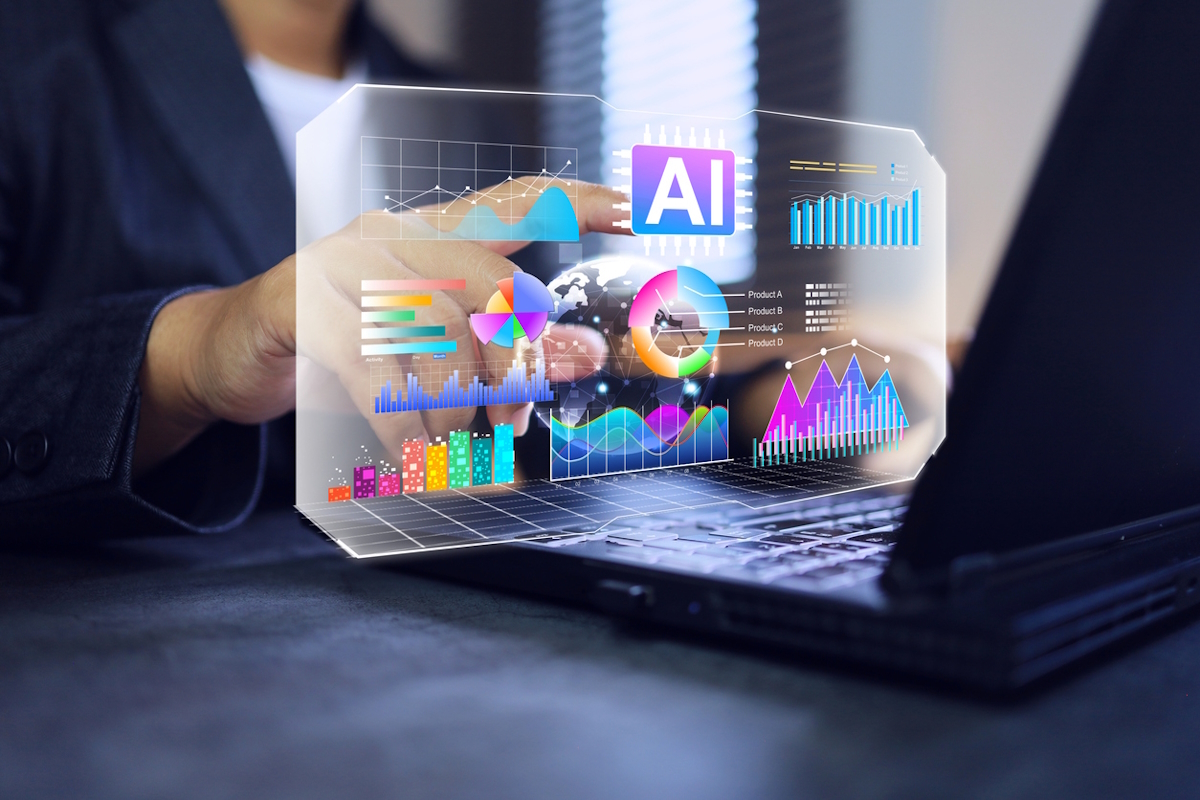
As industries continue to evolve and adapt to new technologies, Automation through AI has emerged as a game-changer. Businesses are increasingly turning to artificial intelligence (AI) to automate tasks, enhance efficiency, and improve decision-making. Automation, powered by AI, has the potential to transform industries by reducing human intervention, streamlining processes, and unlocking new levels of productivity.
From manufacturing to customer service, and logistics to healthcare, AI-driven automation is making a profound impact. In this article, we will explore the concept of Automation through AI, its applications across industries, its benefits, challenges, and the future outlook.
What is Automation through AI?
Automation through AI refers to the use of artificial intelligence technologies to automate tasks that would typically require human intervention. This includes everything from simple, repetitive tasks to more complex decision-making processes. AI-based automation systems can learn from data, adapt to changing conditions, and improve their performance over time, making them far more versatile than traditional automation systems.
AI-powered automation combines several key technologies such as machine learning, natural language processing (NLP), robotics, and data analysis. These technologies enable machines to perform tasks such as identifying patterns, analyzing large datasets, making real-time decisions, and executing actions without human input.
Benefits of Automation through AI
1. Increased Productivity and Efficiency
The primary advantage of automation through AI is the ability to increase productivity and efficiency. AI systems can work 24/7, performing tasks much faster and more accurately than humans. For instance, AI-driven systems can analyze large datasets, automate workflows, and handle multiple tasks simultaneously without taking breaks or making errors.
In industries like manufacturing, AI-powered robots can assemble products, monitor quality control, and manage inventory—all at a pace far beyond human capability. Similarly, in the office environment, AI can automate tasks like scheduling, data entry, and document management, freeing up employees to focus on higher-value activities.
Cost Reduction
AI-driven automation can help organizations significantly reduce costs by cutting down on labor expenses. As tasks that once required human workers are automated, businesses can allocate their resources more efficiently. AI systems are designed to perform repetitive tasks without fatigue, reducing the need for overtime or additional staff.
For example, in customer service, AI chatbots can handle inquiries and provide support to customers, eliminating the need for a large customer service team. Similarly, in warehouses, AI-driven robots can manage inventory and handle logistics, reducing the reliance on manual labor.
3. Improved Accuracy and Reduced Errors
Humans are prone to making mistakes, especially when performing repetitive tasks for long periods. Automation through AI eliminates the risk of human error by performing tasks with consistent precision. AI systems can process data and execute tasks with high accuracy, ensuring that processes are carried out without mistakes.
In fields like healthcare and finance, where accuracy is paramount, AI automation is invaluable. For example, AI-powered diagnostic tools can assist doctors in identifying diseases from medical imaging with greater precision. In finance, AI can automate risk assessments and fraud detection, improving the overall accuracy of financial operations.
4. Enhanced Decision-Making and Insights
AI systems can analyze vast amounts of data to generate valuable insights and support decision-making processes. By automating data analysis, businesses can uncover patterns, trends, and anomalies that might be missed by human analysts. This leads to better, data-driven decisions.
For example, in marketing, AI can automate customer segmentation and analyze purchasing behavior, allowing businesses to tailor their marketing strategies and campaigns more effectively. In logistics, AI-powered systems can predict demand, optimize delivery routes, and forecast inventory needs, improving operational efficiency.
5. Scalability and Flexibility
AI-powered automation is highly scalable and flexible, making it easier for businesses to adapt to changing demands. As businesses grow, AI systems can handle increasing workloads without requiring additional resources. This scalability is particularly valuable for companies in rapidly growing industries or those with fluctuating workloads.
For instance, in retail, AI-driven systems can adjust inventory levels, pricing strategies, and supply chain management based on changing consumer demand. Similarly, in IT, AI can automatically scale up or down based on the needs of the network or system.
Applications of Automation through AI
1. Manufacturing and Production
AI-powered automation has had a significant impact on the manufacturing industry. AI-driven robots are used in assembly lines to handle tasks such as welding, painting, and packaging. These robots can work continuously, increasing production rates while maintaining quality standards.
Additionally, AI systems can monitor equipment performance and predict when maintenance is needed, minimizing downtime and preventing costly repairs. Predictive maintenance powered by AI helps manufacturers ensure that machines are running at optimal efficiency.
2. Healthcare
Automation through AI in healthcare is improving both administrative and clinical processes. AI can automate administrative tasks such as appointment scheduling, billing, and data entry, allowing healthcare professionals to focus on patient care. In clinical settings, AI can assist doctors by automating diagnostic imaging analysis, identifying anomalies in medical scans, and even recommending treatment plans.
AI-powered systems can also automate personalized treatment plans based on a patient’s medical history and genetic data, enabling more accurate and effective treatments.
3. Finance and Banking
In the financial services industry, automation through AI is revolutionizing tasks such as fraud detection, risk management, and customer service. AI-powered algorithms can analyze transaction data in real-time, identifying suspicious patterns and preventing fraudulent activities.
Banks and financial institutions also use AI to automate customer support through chatbots, provide personalized financial advice, and improve decision-making in areas like lending and credit scoring.
4. Retail and E-Commerce
AI is increasingly being used in retail and e-commerce to automate customer interactions, inventory management, and supply chain operations. AI-powered chatbots can assist customers with product recommendations, order tracking, and support inquiries, providing a seamless shopping experience.
In warehouses, AI-driven robots can automate inventory management, optimizing storage and retrieval processes to reduce costs and improve efficiency. AI systems can also predict demand, ensuring that businesses maintain optimal stock levels and avoid overstocking or stockouts.
5. Customer Service
AI-powered chatbots and virtual assistants are transforming customer service by automating routine inquiries, providing instant support, and improving response times. These systems can handle a wide range of customer queries, from account management to troubleshooting technical issues, without the need for human intervention.
By automating customer support, businesses can enhance the customer experience, reduce wait times, and improve overall satisfaction.
Also Read: AI for Automation: Transforming Industries with Smart Automation Solutions

Challenges of Automation through AI
While automation through AI offers significant benefits, it also comes with challenges that need to be addressed:
1. Job Displacement
As AI takes over routine and repetitive tasks, there is concern over job displacement. Workers who were previously involved in manual tasks may find their roles automated, which could lead to job losses. However, AI is also expected to create new job opportunities in areas like AI development, data science, and robotics.
2. High Implementation Costs
The initial cost of implementing AI-powered automation can be high, particularly for small and medium-sized businesses. While the long-term benefits of automation are clear, organizations must carefully evaluate the costs and return on investment (ROI) before adopting AI solutions.
3. Ethical and Privacy Concerns
As AI systems collect and process large amounts of data, concerns about privacy and data security arise. Organizations must ensure that their AI systems comply with regulations such as GDPR and protect sensitive information from misuse or breaches.
Additionally, ethical concerns regarding AI decision-making must be addressed, particularly in areas like healthcare, finance, and law enforcement, where AI systems may have significant impacts on individuals’ lives.
4. Technical Complexity
Implementing AI-powered automation requires a high level of technical expertise. Organizations may need to invest in training their workforce, hiring AI specialists, and integrating AI solutions into their existing infrastructure. The complexity of AI systems can pose a challenge for businesses that lack the resources to manage these technologies.
The Future of Automation through AI
The future of automation through AI looks incredibly promising. As AI technology continues to evolve, we can expect even more industries to adopt automation solutions, leading to greater efficiency and productivity. With advancements in machine learning, natural language processing, and robotics, AI systems will become more capable, adaptive, and intuitive.
In the coming years, automation through AI will continue to reshape the way businesses operate, driving innovation, improving customer experiences, and creating new opportunities in the global workforce.
Conclusion
Automation through AI is rapidly transforming industries and reshaping the future of work. By automating repetitive tasks, improving decision-making, and enhancing operational efficiency, AI is helping businesses reduce costs, increase productivity, and stay competitive in a fast-paced digital world. While challenges remain, the potential benefits of AI-powered automation make it a crucial investment for organizations looking to stay ahead of the curve.
As AI technology continues to evolve, the possibilities for automation through AI are limitless. The future is here, and it’s automated.
1 thought on “Automation through AI: Revolutionizing the Future of Work”