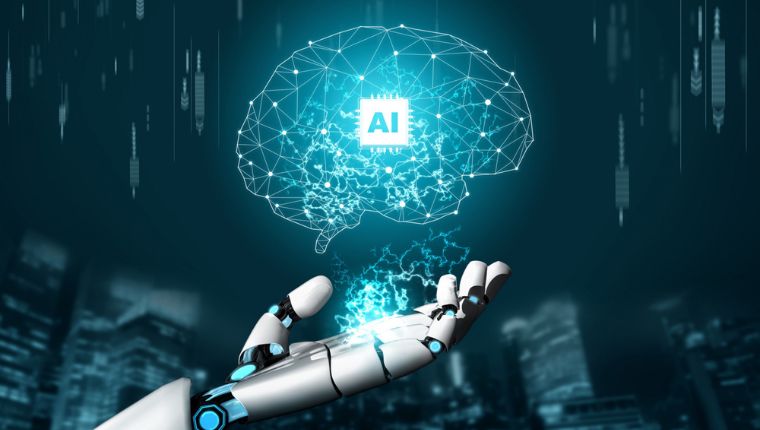
The future of work is rapidly evolving with the integration of AI for Automation. Industries across the globe are adopting AI-driven automation to streamline processes, increase productivity, and reduce costs. The rise of artificial intelligence (AI) has made it possible to automate repetitive tasks, allowing businesses to focus on more strategic and innovative areas. From manufacturing to healthcare, and finance to retail, AI for Automation is transforming industries and creating a smarter, more efficient world.
In this article, we will explore how AI for Automation is shaping different sectors, its benefits, challenges, and the future of AI-driven automation.
What is AI for Automation?
AI for automation refers to the use of artificial intelligence technologies to perform tasks that would normally require human intervention. These tasks range from simple, repetitive processes to complex decision-making functions. Unlike traditional automation, which relies on pre-programmed instructions, AI-powered automation systems can learn from data, adapt to new situations, and improve over time.
There are several core technologies involved in AI for Automation, including machine learning (ML), natural language processing (NLP), computer vision, and robotics. Together, these technologies enable machines to carry out tasks that were previously considered too intricate for automation.
Key Benefits of AI for Automation
1. Increased Efficiency and Productivity
One of the main reasons businesses turn to AI for Automation is to increase efficiency. AI systems can perform repetitive tasks far quicker than humans and with greater accuracy. For example, in manufacturing, AI-powered robots can assemble products faster than human workers while minimizing errors.
Similarly, in the office setting, AI can automate administrative tasks such as scheduling, data entry, and document processing, allowing employees to focus on higher-value activities. This leads to significant gains in productivity and efficiency across industries.
2. Cost Savings
Automation powered by AI offers considerable cost savings to businesses. By reducing the need for human intervention in repetitive tasks, companies can save on labor costs. Additionally, AI systems are designed to work continuously without the need for breaks, which results in higher throughput and less downtime.
In sectors like manufacturing, AI-powered robots can work 24/7, improving production rates and reducing costs associated with human shifts. Over time, the initial investment in AI technologies is recouped through these cost savings.
3. Improved Accuracy and Consistency
One of the main advantages of AI in automation is its ability to perform tasks with high accuracy and consistency. Human workers are prone to errors, especially when performing repetitive tasks over extended periods. AI systems, on the other hand, can complete tasks without the risk of fatigue or mistakes.
In industries like healthcare, where precision is critical, AI for automation can improve diagnostic accuracy and reduce the likelihood of errors. Similarly, in finance, AI can process transactions and perform audits with a level of consistency that human employees may struggle to match.
4. Data-Driven Decision Making
AI for automation can process vast amounts of data and extract valuable insights that humans may miss. In industries like marketing, AI-powered automation tools can analyze customer behavior, preferences, and trends, allowing businesses to make data-driven decisions.
In the financial sector, AI can automate trading based on real-time market data, while in healthcare, AI can help automate patient diagnosis by analyzing medical records and diagnostic images.
5. Enhancing Customer Experience
AI-driven automation is also transforming the way businesses interact with customers. For example, AI-powered chatbots are being used to handle customer service inquiries in real-time, improving response times and customer satisfaction.
AI can also automate personalized marketing campaigns, delivering the right message to the right customer at the right time, based on their browsing behavior, purchase history, and preferences.
Applications of AI for Automation Across Industries
1. Manufacturing
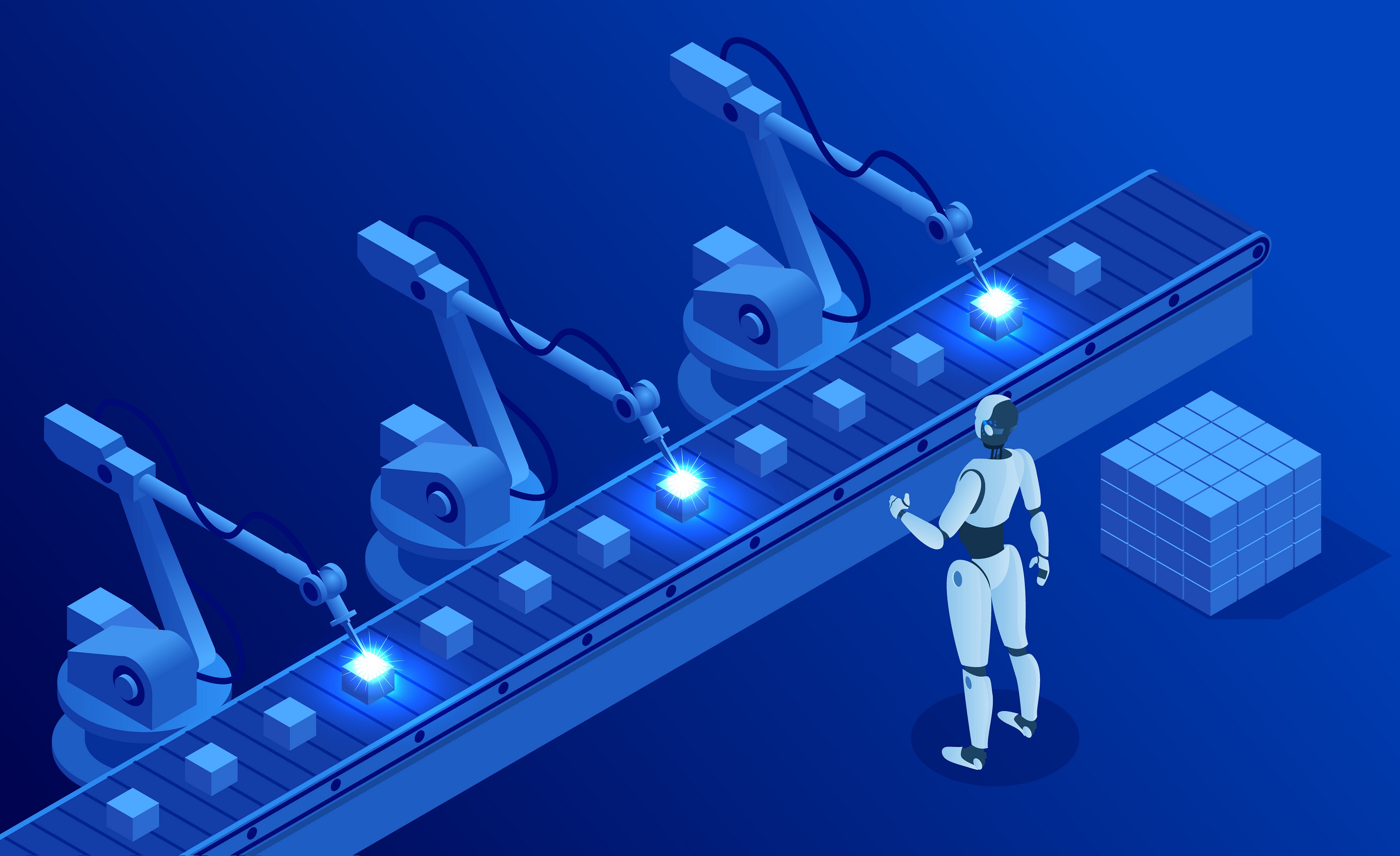
AI for automation has revolutionized the manufacturing industry by enabling the automation of production lines. AI-powered robots can handle assembly tasks, quality control, and packaging, improving efficiency and reducing errors. Machine learning algorithms can also predict equipment failures and schedule maintenance before a breakdown occurs, minimizing downtime.
2. Healthcare
In healthcare, AI for automation is improving both administrative and clinical processes. AI-driven systems can automate tasks such as scheduling, billing, and data entry, freeing up healthcare professionals to focus on patient care. In clinical settings, AI can automate diagnostic imaging analysis, assisting doctors in detecting diseases like cancer earlier and more accurately.
AI can also help automate personalized treatment plans based on patient data, ensuring better outcomes and reducing the risk of human error.
3. Retail and E-commerce
AI-powered automation in retail and e-commerce is helping businesses manage inventory, track customer preferences, and deliver personalized recommendations. For example, AI can predict which products are likely to be in high demand, allowing businesses to stock their shelves accordingly. Chatbots and virtual assistants are also being used to enhance customer service, answering questions and guiding customers through the purchase process.
4. Financial Services
AI in automation is transforming financial services by automating tasks such as data analysis, risk assessment, and fraud detection. AI algorithms can quickly analyze financial data, identify trends, and provide real-time insights to investors. In banking, AI is being used to automate customer support, fraud detection, and credit scoring, providing faster and more accurate services.
5. Transportation and Logistics
AI for automation is making significant strides in the transportation and logistics sectors. Self-driving trucks and drones are being tested and deployed to automate delivery processes, reducing the need for human drivers. In logistics, AI is used to optimize routes, reduce fuel consumption, and predict delivery times, ensuring faster and more efficient transportation.
Challenges of AI for Automation
While AI for Automation offers many benefits, it also comes with challenges that need to be addressed:
1. Job Displacement
One of the most significant concerns regarding AI-driven automation is its potential to displace human workers. As AI systems take over repetitive and manual tasks, some jobs may become obsolete. While AI creates new opportunities in areas like data science and AI development, there will be a need for reskilling workers to adapt to new roles.
2. High Initial Investment
The implementation of AI-powered automation systems often requires a significant upfront investment. Small and medium-sized businesses may find it challenging to afford these technologies, even though the long-term benefits are clear.
3. Data Privacy and Security
AI systems rely on large amounts of data to function effectively. This raises concerns about data privacy and security, especially in industries like healthcare and finance, where sensitive customer information is involved. Ensuring that AI systems comply with regulations and maintain high levels of data security is essential for mitigating these risks.
4. Ethical Considerations
As AI systems become more capable, ethical considerations around their use become more important. Issues such as bias in AI algorithms, transparency in decision-making, and the potential for AI to be used in harmful ways must be addressed.
Also Read: AI in Cybersecurity: Revolutionizing Threat Detection and Response

The Future of AI for Automation
The future of AI for Automation looks incredibly promising. As AI technology continues to advance, we can expect even more industries to adopt automation solutions, leading to greater efficiency and productivity. Additionally, the integration of AI with other emerging technologies like the Internet of Things (IoT) and blockchain will open up new possibilities for automation.
Over time, AI-driven automation will become more accessible to businesses of all sizes, helping to level the playing field and enabling small businesses to compete with larger organizations.
Conclusion
AI for Automation is changing the way industries operate by improving efficiency, reducing costs, and enabling smarter decision-making. From healthcare to manufacturing, retail to finance, AI is playing a central role in automating tasks and driving innovation. As AI continues to evolve, we can expect to see even more transformative changes in the world of automation, leading to a smarter, more efficient future.
1 thought on “AI for Automation: Transforming Industries with Smart Automation Solutions”